
The Beggar Maid: Stories of Flo and Rose
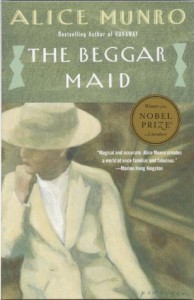 Quite extraordinary.
 A mixed bag- some stories glitter (e.g. the title story and "Ninety-Three Million Miles"), while others fade.
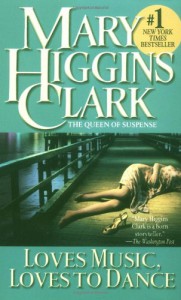 Enjoyable fluff and creepy in parts like everything else MHC has written. The killer was suitably deranged, though easy to suss out from his first few scenes. The closet fashionista in me (no pun intended) appreciated the elaborate descriptions of characters' clothes.
 I liked the scenes with Frank and the cat. Otherwise, it's a plodding mystery with forgettable dialogue and characters.
 Disillusioned indeed. Fascinating premise, but Angela Carter does this better.
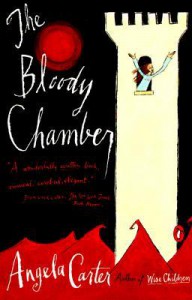 This book is such a treat. It's a feminist, erotic retelling of a selection of popular fairytales like Bluebeard, Beauty and the Beast, Red Riding Hood, The Snow Queen etc, and does not lose the darkness and punch of the original narratives. Carter's satin prose is such bliss that you want to crawl into it and wrap it around you.
 More of a live blog than speculative fiction these days :/
 My god it was dull. I get that it's supposed to be one of those insightful sketches of Ordinary Realistic Families (TM), but did the prose have to compete with the subject matter in its quest to do away with any limits to banality?
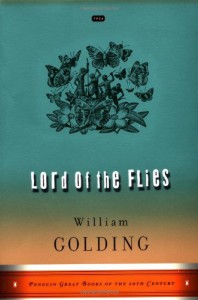 An utterly chilling take on the dark(er) side of playground squabbles. I'm usually loath to describe any book as having any impact on my outlook, as I mainly read books for pleasure, not for life lessons. But LotF is an exception. The slow, sickening reveal of the bottomless pit that is human behavior lingers well beyond the pages of the book.
 Dull dull dull. A formulaic tale of the police interviewing one bland suspect after another, the appearance of each one meticulously described, even if they exist only for a couple of pages. Not even the addition of a secret club for posh orgies, the 96 (geddit?) club, could spice up the book. Through the course of two murders and another attempted one, the police investigate through banal dialogue, with the narrative occasionally cutting to their PoV as well as the suspects' equally banal love lives (or lamented lack of them). It feels like PD James hopes to distinguish it from a run of the mill crime novel by trying to explore the psyche and backstories of the characters. However, there is not much depth or relevance to any of this and it merely bogs down the plot. Shame, since the premise is interesting: each killing is a replica of a 1930's murder. After several pages of more description, more talk, and too-convenient coincidences, I silently cheered whenever another body dropped.
 It is tolerable, but not good enough. And it is only tolerable because a) most of the novel is just the original Austen and b) it has a creepily fetching cover that looks good on a bookshelf. However, they say a little goes a long way, and here it certainly does. Even though Seth Grahame-Smith's zombie insertions take up only a little of the novel, they go a long way in ravaging it.
 Hilary Mantel's portrayal of the highly-charged interactions among young women contains traces of Tudor politics: powerplay, backstabbing and a very thin line between friends and enemies. The novel charts the coming-of-age of Carmel McBain, who many years later is sifting through her memory. Carmel leaves a working-class home, a convent education, and a domineering mother for college, just as England enters the Thatcher era. Accompanying her is Karina, a longtime schoolmate who has been selected as a 'friend' by their mothers. The term 'frenemy' has never been more apt. In a hostel that resembles a draughty hospital, Carmel and Karina grapple with poverty, stress, 'girl-politics' and boyfriends. All these are sharply observed and unsparingly written. The supporting cast include vivacious Julia, angelic rich girl Lynette and various other classmates desperate to shed innocence. They pin their hopes on education to help them live life on their own terms, but realize that women's lib still has frustratingly long way to go, echoing Mantel's own experiences in her memoir 'Giving Up The Ghost.' Each character (even a minor one) is convincing, their fears and conversations almost disturbingly real. Anorexia is a major theme. Carmel gets thinner, Karina fatter, their relationship more brittle. Slowly, the memories move to the tragedy.
  Disappointing. At first, a gold rush & a murder sounded intriguing. I liked that the chapter lengths resembled a waning moon. The initial atmosphere was well written, burning slowly to leave a sense of suffocating tension.
  I enjoyed the tortuous narrative and needle sharp portrayal of NY yuppie life. Most impressive was the characterization of Amy. You don't need a word from Nick, his sister or the police officers to know Amy. Her diary entries, from the glib, suspiciously breezy early entries, to the increasingly sinister self-obsession in the later ones, tell us enough. There's been a big brouhaha about whether the sketch was sufficiently feminist or not. My opinion is that this is irrelevant. To me a book's success does not depend on whether it's characters are relatable or even likable, but on how well they're drawn. And Flynn succeeds with Amy, though perhaps not so much with the other characters.
 Something is lacking. The prose is technically pristine, but bloodless. I have no strong emotions towards the characters and their conditions. There is no feeling or mood that lingers in me after I close the book. I can find things to admire, but not many to like, even though I did want to like it.